Consumer Rights Act 2015 and car faults: what UK buyers can do
A plain-English guide to your rights when a car turns out to be faulty, or has a design flaw nobody told you about. We wrote it after rainwater stopped our own Bentley Flying Spur at 37,000 miles, and we cite the law and official guidance for every point.
This is our summary for UK buyers, not legal advice. For your own situation, speak to an adviser or a solicitor.
The short answer
Under the Consumer Rights Act 2015, a car bought from a dealer must be of satisfactory quality, fit for purpose and as described. If it is not, you can reject it for a full refund within 30 days.
After 30 days, the dealer gets one chance to repair or replace the car. If that fails, you can ask for a price reduction or reject the car, though the dealer may deduct an amount for the use you have had. A fault that shows up within six months of delivery is presumed to have been there from the start; after that, you have to prove it. Your claim is against the business that sold you the car, not the manufacturer.
Sources: Consumer Rights Act 2015, s.9; Consumer Rights Act 2015, s.22; Consumer Rights Act 2015, s.24; Consumer Rights Act 2015, s.19; Which?: Consumer Rights Act 2015
Three standards every dealer-sold car must meet
When you buy from a business, the Consumer Rights Act treats the contract as including these terms. If the car breaks any one of them, you have a claim.
Sources: Consumer Rights Act 2015, s.19; Which?: Consumer Rights Act 2015
Satisfactory quality
The car must meet the standard a reasonable person would consider satisfactory, taking account of its description, its price and all the other circumstances. Quality covers the car's state and condition, including fitness for the usual purposes, appearance and finish, freedom from minor defects, safety and durability.
For a used car, The Motor Ombudsman says this is judged against what can be expected of a car of that age, mileage and price.
Sources: Consumer Rights Act 2015, s.9; The Motor Ombudsman: What can I do about a used car problem?
Fit for purpose
The car must be fit for the purposes it is supplied for, and for any particular purpose you told the seller about before you agreed to buy.
Source: Which?: Consumer Rights Act 2015
As described
The car must match any description you were given, including the advert and anything shown to you when you bought it.
Sources: Which?: Consumer Rights Act 2015; Citizens Advice: Problem with a used car
When you will not have a claim
Citizens Advice says you will not be entitled to anything if:
- you were told about the fault before you bought, and what it meant was fully explained
- you inspected the car and should have spotted the problem
- you caused the fault
- the fault is normal wear and tear for how much the car has been used
Sources: Citizens Advice: Problem with a used car; Consumer Rights Act 2015, s.9
Your remedies depend on how quickly you act
The Act sets out the remedies in order. The 30-day period runs from the day after you own the car and it has been delivered.
Sources: Consumer Rights Act 2015, s.19; Consumer Rights Act 2015, s.22
30 days
Short-term right to reject
Reject the car and treat the contract as over, for a full refund. Make it clear to the dealer that you are rejecting the car. The refund must come within 14 days of the dealer agreeing you are owed one, by the same payment method and with no fee. If you agree to a repair or replacement instead, the 30-day clock pauses while you wait for it.
Sources: Consumer Rights Act 2015, s.22; Consumer Rights Act 2015, s.20
After 30 days
Repair or replacement
The dealer gets one chance to repair or replace the car. It must do this within a reasonable time, without significant inconvenience to you, and pay the necessary costs, including labour and materials. It can refuse a remedy that is impossible, or disproportionate compared with the other one. Which? says the dealer can normally choose whichever is cheaper or easier.
Sources: Consumer Rights Act 2015, s.23; Which?: Consumer Rights Act 2015
If that fails
Price reduction or final right to reject
If the car is still not right after one repair or one replacement, or neither is possible, or the dealer does not do it within a reasonable time and without significant inconvenience, you can choose one of two remedies. Keep the car with a price reduction, which can be the full price, or reject it for a refund. For a motor vehicle, the dealer may deduct an amount for the use you have had, even in the first six months. The Motor Ombudsman says this is usually based on the miles you have added.
Sources: Consumer Rights Act 2015, s.24; The Motor Ombudsman: What can I do about a used car problem?
6 months
Who has to prove the fault
A fault that appears within six months of delivery is treated as having been there on the day the car was delivered, unless it is shown that it was not. After six months, it is up to you to show the fault was there at delivery. Which? says that in practice this may need an expert report, or evidence of similar problems across the product range.
Sources: Consumer Rights Act 2015, s.19; Which?: Consumer Rights Act 2015
6 years
Time limit for a court claim
Which? says you have up to six years to take a claim to court for faulty goods in England, Wales and Northern Ireland, and five years in Scotland.
Source: Which?: Consumer Rights Act 2015
These are not the only remedies. The Act does not stop you seeking others, such as damages, alongside or instead of them, as long as you do not recover twice for the same loss.
Source: Consumer Rights Act 2015, s.19
Bought from a dealer or a private seller?
Who sold you the car decides which law applies. Buying from a business gives you far stronger rights than buying privately.
Satisfactory quality
Dealer or other business
Yes
Private seller
No. This term applies only where the seller sells in the course of a business.
Fit for a particular purpose you made known
Dealer or other business
Yes
Private seller
No. This term also applies only to business sellers.
Matches its description
Dealer or other business
Yes
Private seller
Yes. A car sold by description must correspond with that description.
30-day rejection, repair or replacement, price reduction
Dealer or other business
Yes, under the Consumer Rights Act 2015
Private seller
No. Those Consumer Rights Act remedies are against a trader.
Sources: Which?: Consumer Rights Act 2015; Sale of Goods Act 1979, s.13; Sale of Goods Act 1979, s.14
Buying at auction
Citizens Advice calls auctions probably the riskiest way to buy a used car, and says you probably will not have the legal protection you get when buying through a trader, such as the right to returns and refunds.
Choosing a trader
Citizens Advice suggests an established firm with a good reputation, and looking for a trade association sign or one showing the trader follows The Motor Ombudsman's code of practice, so you can act through that body if something goes wrong.
“Material information” means “the information which the average consumer needs, according to the context, to take an informed transactional decision”.
When the seller leaves something out
A design flaw nobody mentions can matter twice: under the quality standards above, and under separate rules on unfair trading. Which rules apply depends on when the sale happened.
The 2008 Regulations, in force when we bought our car
The Consumer Protection from Unfair Trading Regulations 2008 made it a misleading omission for a business to omit or hide material information, or give it in an unclear or untimely way, where that caused or was likely to cause the average consumer to take a decision they would not have taken otherwise.
Source: Consumer Protection from Unfair Trading Regulations 2008, reg.6 (as made)
Rights to unwind, a discount or damages
Since 2014 the Regulations have also given consumers their own rights of redress where a trader's misleading action or aggressive practice was a significant factor in the decision to buy. They can also apply to a manufacturer's practice, if the dealer knew about it or could reasonably be expected to know.
Those rights are to unwind the contract by rejecting the product within 90 days, to a discount, or to damages for reasonably foreseeable loss. A misleading omission on its own is not one of the practices these rights cover, so whether they help depends on what you were actually told and shown.
Sources: Consumer Protection (Amendment) Regulations 2014, reg.3 (Part 4A, regs 27A and 27B); Consumer Protection from Unfair Trading Regulations 2008, reg.27E; Consumer Protection from Unfair Trading Regulations 2008, reg.27I; Consumer Protection from Unfair Trading Regulations 2008, reg.27J
From 6 April 2025: the Digital Markets, Competition and Consumers Act 2024
The unfair trading rules now sit in the DMCC Act 2024. The Competition and Markets Authority says these provisions replace and update the 2008 Regulations with some changes, keep much of their scope and effect, and apply to practices from 6 April 2025. The 2008 Regulations continue to apply to anything done before that date.
The new Act still defines material information as what the average consumer needs to take an informed decision, and counts giving it unclearly or too late as omitting it. The CMA says consumers keep the 2008 rights of redress until new regulations replace them.
Sources: CMA: Unfair commercial practices guidance (CMA207), GOV.UK; CMA: Technical note on unfair commercial practices (April 2025); Digital Markets, Competition and Consumers Act 2024, Part 4
Where to take a complaint about a faulty car
Start with the business that sold you the car, and keep a record of everything. Move to the next route only if that does not put things right.
The dealer, in writing
Your Consumer Rights Act claim is against the business that sold you the car. Tell it clearly what is wrong and what you want, such as rejecting the car or a repair. Keep copies of every letter, email, invoice and report.
Sources: Which?: Consumer Rights Act 2015; Consumer Rights Act 2015, s.20; The Motor Ombudsman: Make a complaint
The manufacturer
Your statutory rights are not against the manufacturer, but a manufacturer's warranty may cover a free repair under its own terms. The Motor Ombudsman says a main dealer normally diagnoses the fault and submits the warranty claim.
Sources: Which?: Consumer Rights Act 2015; The Motor Ombudsman: What can I do about a used car problem?
The Motor Ombudsman
If the dealer or manufacturer is signed up to The Motor Ombudsman's Codes of Practice, you can take an unresolved dispute to it. Check with its online Business Finder first; it cannot help with businesses that are not signed up. Complain to the business first: it has eight weeks to give its final answer before you can escalate, unless it sends a final response sooner.
Free consumer advice
In England and Wales, call the Citizens Advice consumer helpline on 0808 223 1133 (Welsh language 0808 223 1144). In Scotland, call Advice Direct Scotland on 0808 164 6000. In Northern Ireland, call Consumerline on 0300 123 6262. Helplines can refer your complaint to local Trading Standards.
Source: GOV.UK: Consumer rights
A court claim
In England and Wales you can apply to a county court, online or by post, to claim money a person or business owes you. The court may arrange free mediation, depending on the amount. Scotland and Northern Ireland have their own processes.

How this applies to our case
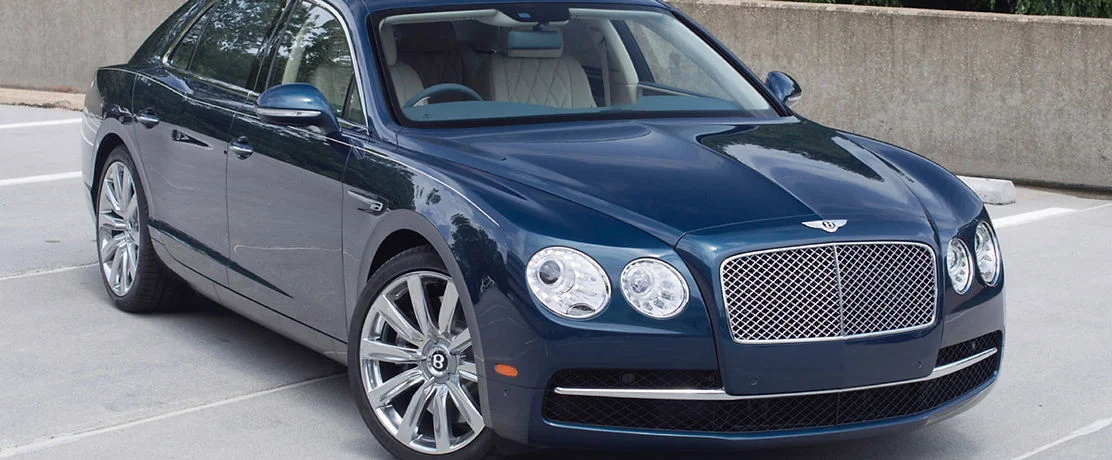
The Bentley above was purchased from Jack Barclay, part of H.R. Owen. It was cherished, serviced by Bentley, and driven just 37,000 miles from new – until it died.
We came back from a summer holiday to find soaking wet carpets and a car that would not start, although it had been parked with the doors, windows and sunroof locked and alarmed. H.R. Owen's service department found:
“Water is not draining away through the drains and is just filling up in the plenum area under the screen and entering the car through the HVAC seals which has caused the saturation inside the car.”
We told Jack Barclay it was unacceptable to sell us a car without warning us that it could not be left out in the rain, and suggested they cover the repair. They refused. Despite letters from our lawyers, neither Jack Barclay, H.R. Owen nor Bentley Motors agreed to put it right.
We rely on the Consumer Rights Act 2015 and the Consumer Protection from Unfair Trading Regulations 2008, which were in force when we bought the car. This page explains those laws in general terms. It does not say how a court would decide our case.
Car consumer rights questions
Sources: Citizens Advice: Return faulty goods; The Motor Ombudsman: What can I do about a used car problem?; Consumer Rights Act 2015, s.9
Has this happened to your Bentley? Share your story
If rain has got into your car, or a dealer would not put a fault right, we would like to hear from you. Thinking of buying? Read our guide to used Flying Spurs first.
This page is a general summary of UK law and official guidance, written by car owners. It is not legal advice and does not predict the outcome of any case.